
10 Rare Carnivorous Plants That Catch Their Own Food
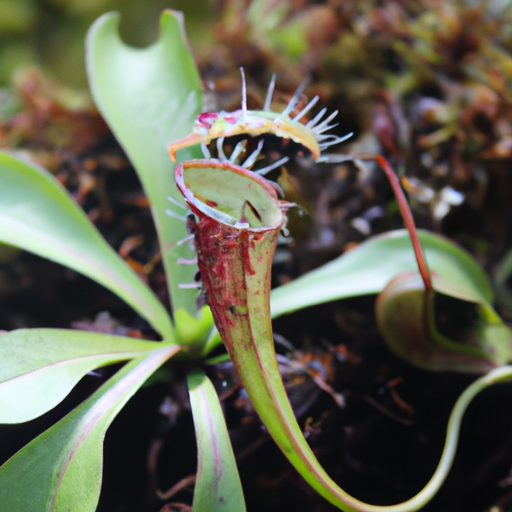
Ever wonder how some plants survive in nutrient-poor environments? They don’t just sit there and wither away!
Instead, they’ve evolved to become skilled hunters, capturing insects and even small animals for sustenance. Today, we’re diving into the fascinating world of carnivorous plants and exploring 10 Rare Carnivorous Plants That Catch Their Own Food. Get ready to be amazed by nature’s ingenuity!
10 Rare Carnivorous Plants That Catch Their Own Food
Carnivorous plants are fascinating examples of adaptation. They thrive in nutrient-poor environments by supplementing their diet with insects and other small creatures.
Let’s explore some of the rarest and most captivating of these meat-eating marvels.
1. Nepenthes rajah (Rajah Pitcher Plant)
The Nepenthes rajah is a true giant among pitcher plants. It’s endemic to Mount Kinabalu and Mount Tambuyukon in Sabah, Borneo.
These impressive plants can grow pitchers large enough to trap small mammals. They sometimes even catch rodents!
The Nepenthes rajah is critically endangered. Habitat loss and poaching are major threats.
2. Darlingtonia californica (Cobra Lily)
The Cobra Lily is a unique pitcher plant native to northern California and Oregon. Its distinctive hooded pitcher resembles a cobra’s head.
Insects are lured inside by sweet secretions. Once inside, they become disoriented and are unable to escape.
The Cobra Lily thrives in cool, running water. It’s a beautiful but challenging plant to cultivate.
3. Heliamphora nutans (Sun Pitcher)
The Sun Pitcher is native to the tepuis of South America. These are isolated, tabletop mountains.
Its pitchers are simple, trumpet-shaped structures. They collect rainwater and attract insects.
Heliamphora nutans thrives in high-altitude, nutrient-poor environments. It is a true specialist.
4. Cephalotus follicularis (Albany Pitcher Plant)
The Albany Pitcher Plant is a small but fascinating carnivorous plant. It is native to southwestern Australia.
Its pitchers are intricately designed with a ribbed exterior and a hooded entrance. They attract and trap insects.
Cephalotus follicularis is highly sought after by collectors. It is relatively slow-growing.
5. Genlisea (Corkscrew Plant)
Corkscrew Plants are aquatic or semi-aquatic carnivorous plants. They are found in Africa and South America.
They use modified leaves to attract, trap, and digest protozoa and other tiny organisms. The leaves form underground traps resembling corkscrews.
Genlisea are fascinating examples of specialized carnivory. They target microscopic prey.
6. Aldrovanda vesiculosa (Waterwheel Plant)
The Waterwheel Plant is a rootless, free-floating aquatic carnivorous plant. It is found in Europe, Asia, Africa, and Australia.
It uses snap traps similar to Venus flytraps to capture small aquatic invertebrates. The traps close in milliseconds.
Aldrovanda vesiculosa is endangered in many regions due to habitat loss and pollution. It is a sensitive indicator of water quality.
7. Drosera regia (King Sundew)
The King Sundew is one of the largest sundew species. It is native to a small area in South Africa.
Its long, strap-like leaves are covered in sticky tentacles. These tentacles ensnare insects.
Drosera regia is considered one of the most impressive sundews. It is a popular choice for carnivorous plant enthusiasts.
8. Pinguicula gigantea (Giant Butterwort)
The Giant Butterwort is one of the largest butterwort species. It is native to Mexico.
Its leaves are covered in sticky glands that trap insects. The leaves can grow up to a foot in length.
Pinguicula gigantea is a beautiful and effective insect trap. It’s also relatively easy to grow.
9. Utricularia (Bladderwort)
Bladderworts are a diverse genus of carnivorous plants. They are found in aquatic and terrestrial habitats worldwide.
They use bladder-like traps to capture small aquatic organisms. The bladders create a vacuum to suck in prey.
Utricularia species exhibit a wide range of trapping mechanisms. They are highly adaptable.
10. Brocchinia reducta
Brocchinia reducta is a carnivorous bromeliad. It’s native to the tepuis of South America.
It forms a tank-like structure with its tightly overlapping leaves. This tank fills with water.
Insects fall into the water and drown. The plant then absorbs nutrients from their decaying bodies.
The Importance of Conservation
Many of these 10 Rare Carnivorous Plants That Catch Their Own Food are threatened by habitat loss, poaching, and climate change. Conservation efforts are crucial.
Protecting their natural habitats is essential for their survival. Sustainable cultivation can also reduce the pressure on wild populations.
Cultivating Carnivorous Plants
Growing carnivorous plants can be a rewarding experience. However, it requires specific conditions.
Most carnivorous plants need:
- Pure water (distilled or rainwater)
- Acidic soil (peat moss or sphagnum moss)
- Bright light (but not direct sunlight for all species)
- High humidity
Research the specific needs of each species before attempting to grow it. It’s important to understand their unique requirements.
The Allure of Carnivorous Plants
Carnivorous plants captivate our imaginations. They showcase the incredible diversity and adaptability of the plant kingdom.
Their unique adaptations allow them to thrive in harsh environments. They also provide valuable insights into plant evolution.
Understanding Their Unique Adaptations
Carnivorous plants have developed various trapping mechanisms. These adaptations help them capture prey effectively.
These mechanisms include:
- Pitfall traps: Pitcher plants lure insects into their pitchers, where they are digested.
- Snap traps: Venus flytraps quickly close their leaves to trap insects.
- Flypaper traps: Sundews and butterworts use sticky leaves to ensnare insects.
- Bladder traps: Bladderworts use bladder-like structures to suck in prey.
- Corkscrew traps: Corkscrew plants use underground traps to capture microscopic organisms.
Each trapping mechanism is adapted to the plant’s specific environment and prey. This is a testament to the power of natural selection.
The Role of Carnivorous Plants in Ecosystems
Carnivorous plants play an important role in their ecosystems. They help control insect populations.
They also contribute to nutrient cycling. By capturing and digesting insects, they make nutrients available to other organisms.
Fascinating Facts About Carnivorous Plants
Here are some fascinating facts about carnivorous plants:
- Carnivorous plants are found on every continent except Antarctica.
- The Venus flytrap is native to a small area in North Carolina and South Carolina.
- Some pitcher plants can digest small mammals.
- Carnivorous plants have been used in traditional medicine.
- The study of carnivorous plants is called "carnivory."
These facts highlight the diversity and importance of these unique plants. They also spark curiosity and inspire further research.
The Future of Carnivorous Plants
The future of carnivorous plants depends on our ability to protect their habitats. We also need to promote sustainable cultivation practices.
By raising awareness and supporting conservation efforts, we can ensure that these fascinating plants continue to thrive for generations to come. Every little bit of help counts.
Conclusion
Exploring the world of 10 Rare Carnivorous Plants That Catch Their Own Food reveals the remarkable adaptability and diversity of the plant kingdom. From the giant Nepenthes rajah to the microscopic traps of Genlisea, these plants showcase nature’s ingenuity in overcoming environmental challenges. Understanding their unique adaptations and the threats they face underscores the importance of conservation efforts. We hope you enjoyed learning about these amazing plants. Share your thoughts and experiences with carnivorous plants in the comments below!
FAQ
Q: What makes a plant carnivorous?
A: Carnivorous plants have adapted to attract, trap, and digest insects and other small animals. They do this to obtain nutrients, particularly nitrogen and phosphorus, from their prey. These nutrients are scarce in their nutrient-poor environments.
Q: Are carnivorous plants difficult to grow?
A: Some carnivorous plants are relatively easy to grow, while others are more challenging. The key is to provide the right conditions, including pure water, acidic soil, bright light, and high humidity. Researching the specific needs of each species is crucial for success.
Q: Where can I find carnivorous plants?
A: Carnivorous plants can be found in specialized nurseries, botanical gardens, and online retailers. It’s important to purchase plants from reputable sources to ensure they are ethically and sustainably sourced. Avoid collecting plants from the wild, as this can harm their populations and ecosystems.
Post a Comment for "10 Rare Carnivorous Plants That Catch Their Own Food"