
How To Choose The Perfect Ornamental Plants For Your Space
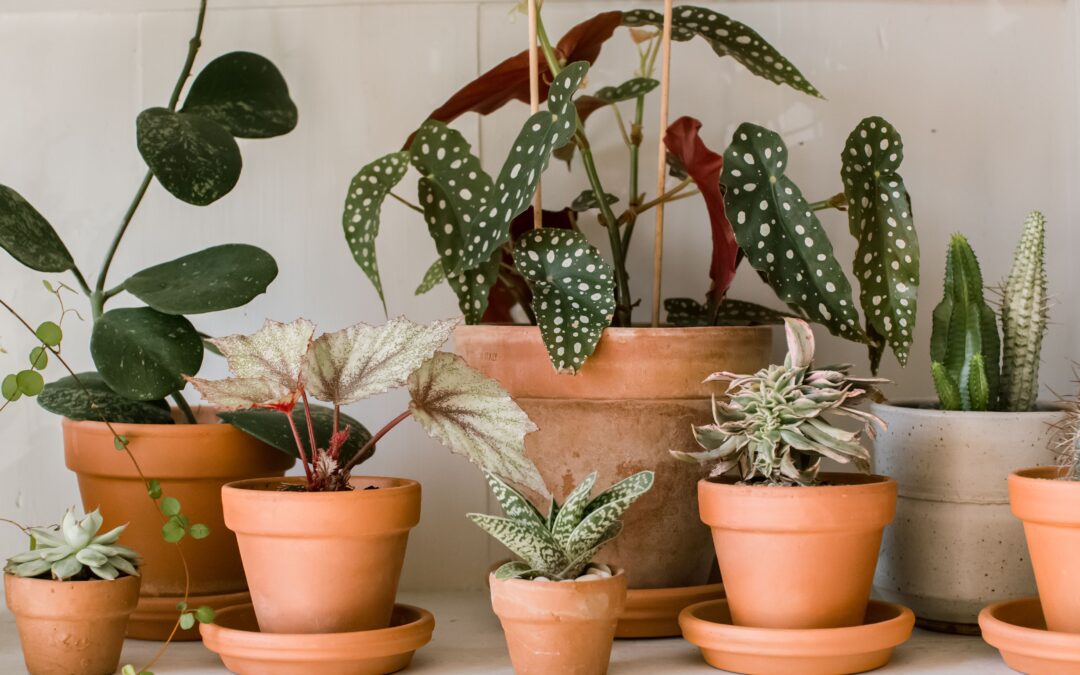
Ever walked into a garden center and felt completely overwhelmed? So many plants, so little clue where to start? Choosing the right greenery can feel like a daunting task, but it doesn’t have to be! This article will guide you through the process of how to choose the perfect ornamental plants for your space, turning your garden dreams into reality.
Understanding Your Space: The Foundation for Success
Before you even think about specific plants, take a good look at your space. Understanding your environment is the first crucial step.
Assessing Sunlight Exposure
Sunlight is the lifeblood of plants. Knowing how much sun your space receives is vital.
- Full Sun: 6+ hours of direct sunlight per day.
- Partial Sun/Partial Shade: 3-6 hours of direct sunlight, often in the morning.
- Full Shade: Less than 3 hours of direct sunlight.
Choose plants accordingly, or you’ll end up with unhappy (and possibly dead) foliage.
Evaluating Soil Type
Is your soil sandy, clay-like, or somewhere in between? Different plants thrive in different soil conditions.
Sandy soil drains quickly and doesn’t retain much water. Clay soil retains water well but can become compacted. Loamy soil is a balanced mix of sand, silt, and clay.
You can amend your soil to better suit your chosen plants, but it’s often easier to select plants that naturally thrive in your existing soil. A simple soil test can provide valuable insights.
Considering Climate and Hardiness Zones
Your local climate plays a significant role in what plants will survive and thrive. The USDA Plant Hardiness Zone Map divides North America into zones based on average minimum winter temperatures.
Knowing your zone helps you choose plants that can withstand your region’s winter conditions. Selecting plants within your hardiness zone increases your chances of long-term success.
Measuring Space and Size Considerations
How much space do you have available? Consider both the current size of the plant and its mature size.
Avoid overcrowding, which can lead to competition for resources and increased susceptibility to disease. Plan for the future by choosing plants that will fit comfortably in your space as they grow.
Defining Your Style and Preferences
Now that you understand your space, it’s time to think about your personal preferences. What kind of aesthetic are you aiming for?
Determining Your Garden Style
Are you drawn to a formal, structured garden or a more relaxed, naturalistic style? Consider the overall look you want to achieve.
Formal gardens often feature symmetrical designs and manicured plants. Cottage gardens are more informal, with a mix of flowers and foliage. Modern gardens may incorporate minimalist designs and architectural plants.
Choosing Colors and Textures
Color and texture can add depth and interest to your garden. Think about the color palette you want to create.
Do you prefer bold, vibrant colors or more subtle, muted tones? Consider the texture of the foliage as well. Some plants have smooth, glossy leaves, while others have rough, textured leaves.
Considering Maintenance Level
How much time and effort are you willing to dedicate to your garden? Some plants require more maintenance than others.
Low-maintenance plants are ideal for busy gardeners. High-maintenance plants may require regular pruning, fertilizing, and pest control. Be realistic about your time commitment.
Thinking About Functionality
What do you want your garden to achieve? Do you want to attract pollinators, provide privacy, or create a relaxing outdoor space?
Choosing plants with specific functions in mind can enhance your garden’s overall purpose. For example, planting fragrant flowers can create a sensory experience.
Exploring Ornamental Plant Options
Now for the fun part: exploring the vast world of ornamental plants! Let’s break it down into categories.
Flowering Plants
Flowering plants add color and beauty to any garden. There are options for every season and style.
- Annuals: Complete their life cycle in one year. Provide instant color but need to be replanted each year. Examples include petunias, marigolds, and zinnias.
- Perennials: Live for more than two years. Return year after year, providing long-lasting beauty. Examples include hostas, daylilies, and coneflowers.
- Bulbs: Store food underground. Produce beautiful flowers in the spring or summer. Examples include tulips, daffodils, and lilies.
Choose a mix of annuals, perennials, and bulbs for continuous blooms throughout the growing season.
Foliage Plants
Foliage plants add texture and interest to your garden, even when flowers aren’t in bloom. They often provide a backdrop for flowering plants.
- Hostas: Shade-loving plants with beautiful foliage in a variety of colors and textures.
- Heucheras (Coral Bells): Offer a wide range of foliage colors, from deep purple to bright chartreuse.
- Ferns: Add a lush, tropical feel to shady gardens.
Foliage plants are essential for creating a balanced and visually appealing garden.
Ornamental Grasses
Ornamental grasses add movement and texture to your garden. They can also provide winter interest.
- Feather Reed Grass (Calamagrostis x acutiflora ‘Karl Foerster’): Upright grass with feathery plumes.
- Blue Fescue (Festuca glauca): Compact grass with blue-gray foliage.
- Japanese Blood Grass (Imperata cylindrica ‘Red Baron’): Striking grass with red-tipped blades.
Ornamental grasses are versatile and can be used in a variety of garden styles.
Shrubs
Shrubs provide structure and privacy to your garden. They can also be used as focal points.
- Azaleas: Flowering shrubs that thrive in acidic soil.
- Hydrangeas: Popular shrubs with large, showy flowers.
- Boxwoods: Evergreen shrubs that can be pruned into formal shapes.
Choose shrubs that complement your garden’s overall design and provide year-round interest.
Trees
Trees provide shade, privacy, and a sense of permanence to your garden. They are the largest and most impactful plants you can choose.
- Japanese Maples: Graceful trees with beautiful foliage that changes color in the fall.
- Dogwoods: Flowering trees that bloom in the spring.
- Crape Myrtles: Summer-blooming trees with colorful bark.
Consider the mature size of the tree and its impact on your surrounding landscape.
Considering Specific Needs and Challenges
Every garden has its unique challenges. Addressing these challenges will ensure your plants thrive.
Dealing with Shade
If your space is shady, choose plants that are specifically adapted to low-light conditions.
Hostas, ferns, and impatiens are all good choices for shady gardens. Avoid plants that require full sun.
Managing Dry Conditions
If your soil is dry and well-draining, choose drought-tolerant plants.
Succulents, sedums, and lavender are all good choices for dry gardens. Water deeply but infrequently.
Protecting Against Pests and Diseases
Choose plants that are resistant to common pests and diseases in your area.
Inspect plants regularly for signs of infestation or disease. Use organic pest control methods whenever possible.
Adapting to Urban Environments
Urban environments can be harsh on plants due to pollution, compacted soil, and limited space.
Choose plants that are tolerant of urban conditions. Consider using containers to improve drainage and soil quality.
Putting It All Together: Creating Your Perfect Garden
Now that you have a better understanding of your space, your preferences, and the available plant options, it’s time to start planning your garden.
Creating a Planting Plan
A planting plan is a visual representation of your garden design. It helps you visualize the layout and ensure that your plants are properly spaced.
Use graph paper or a garden design software to create your plan. Consider the mature size of your plants and their spacing requirements.
Preparing the Soil
Proper soil preparation is essential for healthy plant growth. Amend your soil with compost or other organic matter to improve drainage and fertility.
Remove any weeds or debris from the planting area. Dig holes that are twice as wide as the root ball of your plants.
Planting Your Ornamental Plants
Carefully remove your plants from their containers. Gently loosen the roots before planting.
Place the plants in the prepared holes and backfill with soil. Water thoroughly after planting.
Maintaining Your Garden
Regular maintenance is essential for keeping your garden looking its best. Water your plants regularly, especially during dry periods.
Fertilize your plants as needed. Prune your plants to maintain their shape and encourage new growth. Remove any weeds or dead foliage.
Conclusion
Choosing the perfect ornamental plants for your space involves understanding your environment, defining your style, and exploring the vast world of plant options. By considering factors like sunlight exposure, soil type, climate, and maintenance level, you can create a garden that is both beautiful and sustainable. Don’t be afraid to experiment and have fun! What are your favorite ornamental plants to grow? Share your experiences in the comments below!
FAQ Section
Here are some frequently asked questions about choosing ornamental plants:
Q: How do I know what my hardiness zone is?
A: You can find your hardiness zone by entering your zip code into the USDA Plant Hardiness Zone Map website. This will tell you the average minimum winter temperature in your area.
Q: What are some low-maintenance ornamental plants?
A: Some low-maintenance options include hostas, coneflowers, sedums, and ornamental grasses. These plants are generally drought-tolerant and require minimal pruning.
Q: How do I improve the soil in my garden?
A: You can improve your soil by adding compost, manure, or other organic matter. This will improve drainage, aeration, and fertility. You can also use soil amendments like peat moss or vermiculite to adjust the soil’s texture.
Post a Comment for "How To Choose The Perfect Ornamental Plants For Your Space"