
How To Identify Wild Medicinal Plants Safely
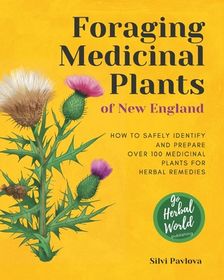
Ever wondered if that unassuming green plant in your backyard could actually soothe a headache or heal a minor cut? The world is full of natural remedies, and learning how to identify wild medicinal plants safely can unlock a wealth of potential benefits.
But before you go foraging, it’s crucial to approach this knowledge with respect and caution. This article will guide you through the essential steps to confidently and safely identify wild medicinal plants. We’ll cover everything from basic botany to ethical harvesting, ensuring you can harness nature’s pharmacy responsibly.
Understanding the Basics of Plant Identification
Before you start dreaming of brewing your own herbal teas, let’s cover some fundamental principles. Accurate plant identification is paramount. Mistaking one plant for another can have serious, even life-threatening, consequences.
Learn Basic Botanical Terminology
Think of this as learning the language of plants. Knowing the terms for different plant parts – leaves, stems, flowers, roots – is essential.
Understanding leaf shapes (ovate, lanceolate, palmate) and arrangements (alternate, opposite, whorled) is crucial. Also, pay attention to stem characteristics, flower structure, and root systems.
Invest in a Good Field Guide
A reliable field guide is your best friend in the field. Choose one specific to your geographic region.
Look for guides with detailed descriptions, clear photographs, and illustrations. Some guides also include information on plant habitats and potential look-alikes.
Start with Common and Easily Identifiable Plants
Don’t try to identify rare or obscure plants right away. Begin with common, easily recognizable species.
This will help you build confidence and hone your identification skills. Once you’re comfortable with the basics, you can gradually expand your knowledge.
Key Characteristics to Observe When Identifying Plants
Identifying plants involves careful observation and attention to detail. Here are some key characteristics to focus on:
Leaf Shape, Size, and Arrangement
Leaves are often the most distinctive feature of a plant. Pay close attention to their shape, size, and arrangement on the stem.
Are the leaves simple or compound? Are they smooth or textured? Do they grow opposite each other, alternately, or in a whorl?
Stem Characteristics
The stem can provide valuable clues about a plant’s identity. Is it woody or herbaceous? Is it smooth or hairy?
Does it have any distinctive markings or features, such as thorns or ridges? The stem’s color and texture can also be helpful.
Flower Structure and Color
Flowers are often the most visually striking part of a plant, and their structure can be incredibly informative.
Note the number of petals, the shape of the flower, and the arrangement of the flower parts. The color of the flower is also a key identifying characteristic.
Fruit and Seed Characteristics
If the plant is fruiting, observe the shape, size, color, and texture of the fruit. Are the fruits berries, capsules, or pods?
The seeds can also provide valuable information. Note their size, shape, and color.
Habitat and Growing Conditions
Where a plant grows can be just as important as its physical characteristics. Does it prefer sunny or shady locations?
Does it grow in wet or dry soil? Is it found in forests, meadows, or wetlands? Understanding a plant’s preferred habitat can help narrow down your identification.
The Importance of Positive Identification
Never consume or use a plant unless you are 100% certain of its identity. This cannot be stressed enough.
Cross-Reference with Multiple Sources
Don’t rely on just one source of information. Cross-reference your findings with multiple field guides, websites, and expert opinions.
The more sources you consult, the more confident you can be in your identification.
Consult with Experts
If you’re unsure about a plant’s identity, seek the advice of a knowledgeable botanist, herbalist, or experienced forager.
Many local botanical gardens and universities offer plant identification services. Don’t hesitate to reach out for help.
"When in Doubt, Throw it Out"
This is a golden rule of foraging. If you have any doubt about a plant’s identity, do not consume or use it.
It’s always better to be safe than sorry. Erring on the side of caution can prevent serious health consequences.
Safety Precautions When Identifying Wild Medicinal Plants
Safety is paramount when identifying wild medicinal plants. Here’s how to minimize risks:
Avoid Contaminated Areas
Never collect plants from areas that may be contaminated with pesticides, herbicides, or pollutants.
Roadsides, industrial sites, and agricultural fields are generally not safe for foraging. Choose pristine, natural areas away from potential sources of contamination.
Be Aware of Poisonous Look-Alikes
Many medicinal plants have poisonous look-alikes. Learn to identify these dangerous plants and avoid them.
For example, water hemlock is a deadly poisonous plant that resembles wild parsnip. Familiarize yourself with common poisonous plants in your region.
Wear Protective Gear
Wear gloves when handling plants, especially if you have sensitive skin. Some plants can cause skin irritation or allergic reactions.
Long sleeves and pants can protect you from thorns, insect bites, and other hazards.
Wash Your Hands Thoroughly
Always wash your hands thoroughly after handling plants, even if you wore gloves.
This will help prevent the spread of any potential irritants or toxins.
Ethical Harvesting Practices
Respect for the environment is essential when foraging for wild medicinal plants.
Obtain Permission
Always obtain permission from the landowner before harvesting plants on private property.
Trespassing is illegal and unethical. Respect the rights of property owners.
Harvest Sustainably
Never harvest more than you need, and avoid harvesting rare or endangered plants.
Take only what you will use, and leave plenty for the plant to regenerate. Avoid harvesting entire populations of plants.
Minimize Impact
Minimize your impact on the environment. Avoid trampling vegetation, disturbing wildlife, or damaging habitats.
Stay on established trails and avoid creating new ones. Leave the area as you found it, or even better, leave it cleaner.
Learn About Local Regulations
Be aware of any local regulations regarding plant harvesting. Some areas may have restrictions on what plants can be harvested and how much.
Check with local authorities or park rangers for information on harvesting regulations in your area.
Common Wild Medicinal Plants and Their Identification
Now, let’s look at some common wild medicinal plants and how to identify them safely:
Dandelion (Taraxacum officinale)
- Identification: Dandelions have distinctive toothed leaves that grow in a rosette at the base of the plant. They have bright yellow flowers that turn into white, fluffy seed heads.
- Medicinal Uses: Dandelions are a nutritious food and have diuretic and liver-cleansing properties.
- Caution: Avoid harvesting dandelions from areas treated with herbicides.
Plantain (Plantago major)
- Identification: Plantain has broad, oval-shaped leaves with prominent parallel veins. The leaves grow in a rosette at the base of the plant. It has small, inconspicuous flowers on a tall spike.
- Medicinal Uses: Plantain is a soothing remedy for skin irritations, insect bites, and minor wounds.
- Caution: Plantain is generally safe, but some people may be allergic to it.
Yarrow (Achillea millefolium)
- Identification: Yarrow has feathery, finely divided leaves and clusters of small, white or pink flowers. It has a distinctive aromatic scent.
- Medicinal Uses: Yarrow has antiseptic, anti-inflammatory, and wound-healing properties.
- Caution: Yarrow can cause allergic reactions in some people, especially those with ragweed allergies.
St. John’s Wort (Hypericum perforatum)
- Identification: St. John’s Wort has small, oval-shaped leaves with tiny translucent dots. It has bright yellow flowers with numerous stamens.
- Medicinal Uses: St. John’s Wort is used to treat mild to moderate depression and anxiety.
- Caution: St. John’s Wort can interact with certain medications, including antidepressants and birth control pills. Consult with a healthcare professional before using St. John’s Wort.
Calendula (Calendula officinalis)
- Identification: Calendula has bright orange or yellow daisy-like flowers. The leaves are slightly sticky and aromatic.
- Medicinal Uses: Calendula has anti-inflammatory, antiseptic, and wound-healing properties.
- Caution: Calendula is generally safe, but some people may be allergic to it.
Resources for Further Learning
Expanding your knowledge is crucial for safe and responsible foraging.
Local Botanical Gardens and Arboretums
Many botanical gardens and arboretums offer classes and workshops on plant identification and foraging.
These are excellent resources for learning from experts and connecting with other plant enthusiasts.
Herbalism Schools and Programs
If you’re serious about learning about medicinal plants, consider enrolling in an herbalism school or program.
These programs offer in-depth training in plant identification, herbal medicine making, and ethical harvesting practices.
Online Resources and Websites
Numerous websites and online resources offer information on plant identification and medicinal uses.
Be sure to choose reputable sources with accurate and reliable information. Cross-reference information from multiple sources.
Conclusion
Learning how to identify wild medicinal plants safely is a rewarding journey that connects you with nature’s healing power. By mastering basic botany, observing key characteristics, and prioritizing safety, you can confidently identify and harvest these valuable resources. Remember to always practice ethical harvesting and respect the environment.
We encourage you to continue exploring the world of medicinal plants and share your experiences with others. What are your favorite wild medicinal plants to identify? What challenges have you faced in the identification process? Let’s learn and grow together!
Frequently Asked Questions (FAQ)
1. What is the most important thing to remember when identifying wild medicinal plants?
The most important thing is to be 100% certain of the plant’s identity before consuming or using it. When in doubt, throw it out!
2. Are there any apps that can help with plant identification?
Yes, there are several plant identification apps available for smartphones. However, it’s important to use these apps as a supplementary tool, not as a substitute for careful observation and cross-referencing with other sources. Some popular apps include PlantNet, PictureThis, and iNaturalist.
3. How can I avoid accidentally harvesting a poisonous plant?
Learn to identify common poisonous plants in your region and be aware of their look-alikes. Always cross-reference your identification with multiple sources and consult with experts if you’re unsure. Never consume or use a plant unless you are absolutely certain of its identity.
Post a Comment for "How To Identify Wild Medicinal Plants Safely"