
The Best Pruning Techniques For Healthier Plants And Trees
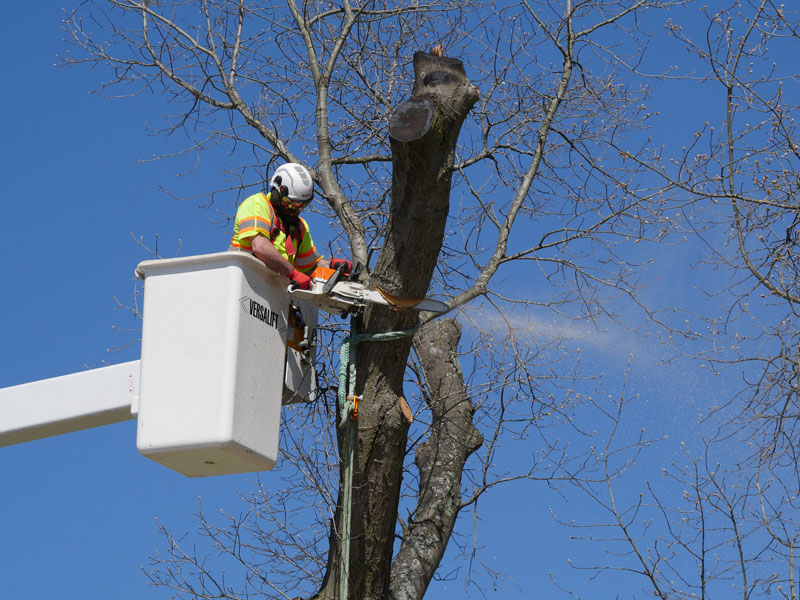
Ever wonder why some gardens explode with life while others just… exist? Often, the secret lies in the art of pruning.
Pruning isn’t just about aesthetics; it’s a vital practice that encourages healthy growth and bountiful yields. Ready to learn the best pruning techniques for healthier plants and trees? Let’s dive in!
Understanding the Basics of Pruning
Pruning, at its core, is the selective removal of plant parts. This could include branches, buds, or roots.
Why bother? Because strategic pruning manipulates plant growth, improves air circulation, and maximizes sunlight penetration.
Why is Pruning Important?
Think of pruning as a plant’s personal trainer. It encourages strength and optimal performance.
Pruning achieves several key objectives:
- Enhances Plant Health: Removes dead, diseased, or damaged wood.
- Improves Air Circulation: Reduces the risk of fungal diseases.
- Increases Sunlight Penetration: Promotes better fruit and flower production.
- Shapes the Plant: Creates a desired aesthetic or structure.
- Encourages New Growth: Stimulates the development of healthy shoots.
Essential Pruning Tools
Having the right tools makes all the difference. Dull or incorrect tools can damage plants, leading to disease.
Here are some essentials:
- Hand Pruners: For stems up to ¾ inch in diameter.
- Loppers: For branches up to 2 inches in diameter.
- Pruning Saw: For branches larger than 2 inches in diameter.
- Hedge Shears: For shaping hedges and shrubs.
- Pole Pruner: For reaching high branches without a ladder.
Remember to keep your tools sharp and clean. Disinfect them regularly to prevent the spread of diseases.
The Best Pruning Techniques for Different Plants
Different plants require different pruning approaches. A one-size-fits-all strategy simply won’t work.
Let’s explore the best pruning techniques for various plant types.
Pruning Trees
Tree pruning is crucial for maintaining structural integrity and promoting healthy growth. It also helps prevent hazards.
Young Tree Pruning
Focus on developing a strong central leader. This is the main stem that provides the tree’s structure.
Remove any competing leaders or branches that form narrow angles. This prevents future splitting.
Mature Tree Pruning
Remove dead, diseased, or crossing branches. These can weaken the tree and create entry points for pests and diseases.
Thin out the canopy to improve air circulation and sunlight penetration. Aim for a balanced, open structure.
Pruning Fruit Trees
Fruit trees require specific pruning to maximize fruit production. The goal is to encourage fruiting spurs.
Remove vertical shoots (water sprouts) and inward-growing branches. These don’t contribute to fruit production.
Pruning Shrubs
Shrub pruning depends on the shrub’s flowering habit. Some shrubs bloom on old wood, while others bloom on new wood.
Pruning Shrubs that Bloom on Old Wood
These shrubs form flower buds on the previous year’s growth. Examples include azaleas, rhododendrons, and forsythia.
Prune immediately after flowering. This gives the plant time to develop new growth and set buds for the following year.
Pruning Shrubs that Bloom on New Wood
These shrubs bloom on the current year’s growth. Examples include butterfly bushes, potentilla, and spirea.
Prune in late winter or early spring before new growth begins. This encourages vigorous new growth and abundant blooms.
Rejuvenation Pruning
For overgrown shrubs, consider rejuvenation pruning. This involves cutting the plant back hard to stimulate new growth.
Remove about one-third of the oldest, thickest stems each year for three years. This gradually renews the plant.
Pruning Roses
Roses benefit significantly from regular pruning. Pruning encourages strong stems and abundant blooms.
Hybrid Tea Roses
Prune in late winter or early spring. Remove dead, diseased, or crossing canes.
Cut back remaining canes to 12-18 inches, leaving 3-5 healthy buds. This encourages strong new growth.
Floribunda Roses
Prune similarly to hybrid tea roses, but cut back less severely. Leave canes at 18-24 inches.
Remove any weak or spindly growth. This focuses the plant’s energy on producing healthy blooms.
Climbing Roses
Prune after flowering. Remove old, unproductive canes to encourage new growth.
Train new canes horizontally along a support structure. This maximizes flower production.
Pruning Perennials
Perennials often benefit from deadheading and occasional pruning. This encourages continued blooming and prevents self-seeding.
Deadheading
Remove spent flowers to encourage more blooms. This prevents the plant from putting energy into seed production.
Cut back the flower stem to the next set of leaves. This encourages new growth and branching.
Cutting Back
Cut back perennials in late fall or early spring. This removes dead foliage and prepares the plant for new growth.
Leave a few inches of stem above the ground. This protects the crown of the plant during winter.
Advanced Pruning Techniques
Once you’ve mastered the basics, you can explore more advanced pruning techniques. These techniques can help you achieve specific goals.
Espalier
Espalier is the art of training a plant to grow flat against a wall or fence. This technique is often used for fruit trees.
Prune regularly to maintain the desired shape. Tie branches to the support structure as they grow.
Topiary
Topiary is the art of shaping plants into ornamental shapes. This technique requires patience and precision.
Prune frequently to maintain the desired shape. Use templates or wire frames to guide your cuts.
Pollarding
Pollarding is a pruning technique that involves cutting back the tree to the trunk. This creates a dense head of foliage.
Pollarding is typically done on trees that can tolerate heavy pruning. It is often used to control the size of trees in urban areas.
Common Pruning Mistakes to Avoid
Even experienced gardeners can make pruning mistakes. Knowing what to avoid can save you time and effort.
Over-Pruning
Removing too much growth can weaken the plant. Prune conservatively, especially when in doubt.
Pruning at the Wrong Time
Pruning at the wrong time of year can damage the plant. Research the best time to prune each type of plant.
Using Dull or Dirty Tools
Dull tools can tear the bark and create entry points for diseases. Dirty tools can spread diseases from one plant to another.
Ignoring Plant-Specific Needs
Each plant has unique pruning requirements. Understand the specific needs of each plant before you start pruning.
Best Practices for Pruning
Following these best practices will ensure successful pruning. Healthy plants are the ultimate reward.
Start with a Plan
Before you start pruning, take a step back and assess the plant. Identify any dead, diseased, or damaged branches.
Decide what you want to achieve with pruning. Do you want to shape the plant, improve air circulation, or increase fruit production?
Make Clean Cuts
Use sharp pruning tools to make clean cuts. This promotes faster healing and reduces the risk of disease.
Cut at a 45-degree angle, just above a bud or branch. Avoid leaving stubs, which can attract pests and diseases.
Disinfect Your Tools
Disinfect your pruning tools regularly to prevent the spread of diseases. Use a solution of 1 part bleach to 9 parts water.
Dip your tools in the solution for 30 seconds. Rinse them with clean water and allow them to dry before using them again.
Dispose of Pruned Material Properly
Dispose of pruned material properly to prevent the spread of diseases. Burn or compost healthy material.
Bag and discard diseased material. Do not compost diseased material, as this can spread the disease to other plants.
Conclusion
Mastering the best pruning techniques for healthier plants and trees is a rewarding journey. By understanding the fundamentals, using the right tools, and avoiding common mistakes, you can transform your garden into a thriving oasis.
Pruning is not just a task; it’s an art form that requires patience, observation, and a deep understanding of plant biology. So, grab your pruners, get out there, and start shaping your garden into the masterpiece you’ve always envisioned.
Have you had any interesting pruning experiences? Share your tips and tricks in the comments below!
Frequently Asked Questions (FAQ)
Here are some frequently asked questions about pruning. Let’s clarify any lingering doubts.
Q1: When is the best time to prune most trees?
The best time to prune most trees is during the dormant season, typically late winter or early spring before new growth begins. This allows the tree to heal quickly and focus its energy on new growth. However, there are exceptions, such as spring-flowering trees, which should be pruned immediately after they bloom.
Q2: How do I know if I’m pruning too much?
A good rule of thumb is to never remove more than one-third of a plant’s total growth in a single pruning session. Over-pruning can stress the plant, making it more susceptible to pests and diseases. If you’re unsure, it’s always better to prune less rather than more. You can always go back and prune again later if needed.
Q3: What should I do with large pruning cuts?
For branches larger than 2 inches in diameter, it’s important to make clean cuts and avoid leaving stubs. Make the cut just outside the branch collar, the swollen area where the branch meets the trunk. This allows the tree to heal properly. Applying a wound dressing is generally not necessary and may even trap moisture, leading to decay.
Post a Comment for "The Best Pruning Techniques For Healthier Plants And Trees"